A Croácia é um paÃs muito doido, como todos os os paÃses devem ser, já que todos são linhas abstratas reafirmadas por lÃnguas nem sempre tão iguais,pelos governos que precisam de legitimidade, e pelas empresas de comunicação que precisam de concessões públicas para funcionarem. Aqui na Croácia não é diferente. No entanto, imagine-se um terrotório que a mais de 900 anos já foi território turco-otomano, austro-húngaro, iuguslavo e agora, a pouco mais de uma década, é um estado moderno independente pela primeira vez. E aà vendo esse território que da Primeira Guerra até os anos 90 era chamado de Iuguslávia, A Eslávia do Sul, e depois passou por uma guerra violenta que o dividiu em diversos territórios, tudo em nome de nações, etnias e religiões de um povo todo muito parecido, se pode pensar na situação do Brasil, em como um territorio diversas vezes maior pode ser tão unificado em torno de um ideal de nacionalidade. Nos perguntaram por aqui: “quantos porcento dos brasileiros se consideram brasileiros?” Pergunta estranha pra um brasileiro. Mas a situação croata e dos outros paÃses dos balcãs de uma explosão repentina de um nacionalismo latente (Tito conseguiu abafar esse nacionalismo, após a sua morte todo o divisionismo acumulado resultou na guerra) nos fez pensar como é estranha essa coisa de ter um paÃs, de acreditar numa linha que nem existe, num hino militar e ufanista, e ainda mais no Brasil com todas as suas culturas e diversidades. Enxergar outros paÃses é bom pra desconstruir o seu.
Outra desconstrução possÃvel é a do sistema econômico e polÃtico. Tito fez na Iuguslávia um comunismo diferente do soviético. Não alinhado, recebia apoio financeiro de ambos os lados da Guerra Fria, só pra não escolher nenhum dos lados. Apesar de ter sido também um regime repressor e violento, a população tinha liberdade de transitar pra outros paÃses do oeste,e, como exemplo, podiam ver tanto filmes americanos quanto russos (situação única no mundo, eu acho). Com a guerra (apoiada pelo ocidente) e a separação, o capitalismo de consumo se instalou rapidamente, com muito capital da união européia. Essa situação trouxe um contraste muito grande entre o antes e o depois. Muitos carros de luxo, diversas lojas de marcas internacionais, um supermercado chamado KONZUM ( que quer dizer “consuma”) e maioria da população endividada com os bancos que oferecem crédito farto. Dos paÃses da Iuguslávia, Croácia e Eslovênia são os mais prospéros (da pra ver pelo mapa, na quantidade de estradas de duas pistas que tem o paÃs). E a Croácia teve muito investimento porque é uma paÃs muito turÃstico, com um litoral muito bonito. Emfim, a guerra além de dar lucro pros fabricantes de arma, deu dinheiro pra muito mais gente. Mas aonde quero chegar, é que essa situação de mudança drástica de modos de consumo, também é proveitosa pra desnaturalizar a cultura de consumo extremo que se espalhou pelo mundo e que no Brasil é bem desenvolvida e naturalizada no intervalo da novela. Caminhos para possÃveis desenvolvimentos desse intercâmbio.

Por aqui tem gente que tem saudade da Iuguslávia quando as pessoas eram menos individualistas, dizem, e não existiam mendigos (Tem um livro que é uma linha do tempo da Ioguslávia com os acontecimentos culturais e personagens, num clima nostálgico). Tem gente que odeia o Tito, era um comunista sujo, matou duzentos mil. Tem muita gente que odeia os sérvios e bósnios porque mataram algum conhecido ou parente (principalmente nas cidades fronteiriças com a sérvia e a bósnia, se sente um naciolismo muito mais forte). Tem muita gente que não liga pra isso, e isso é bem bacana, e vai a praia com sérvios e eslovenos. Tem festival de banda punk da ex-iuguslávia. Tem gente que acha tanto antes como agora muito ruim, e não suporta os supermercados nem a nostalgia do Tito.
É sobre tudo isso que queremos fazer nosso documentário das 20 horas de entrvistas e imagens que fizemos na Croácia.
Indo embora e sabendo que esse intercâmbio deve continuar com outras pessoas, a sugestão é caminhar por essas linhas: Nacionalismo e a Cultura de Consumo. E que o Brasil e a Croácia, um paÃs ajude a desconstruir o outro.
 Circo Voador is a cultural space in the middle of the Rio da Janeiro neighborhood called Lapa.It started almost 30 years ago under a circus structure, and it was the place where most of the best known brazilian rock bands had their first gigs. At one point it was closed by city mayer. The story goes that he visiting Circo Voador while celebrating for being elected where he was booed by the people there. He exercised his power by simply closing the space down.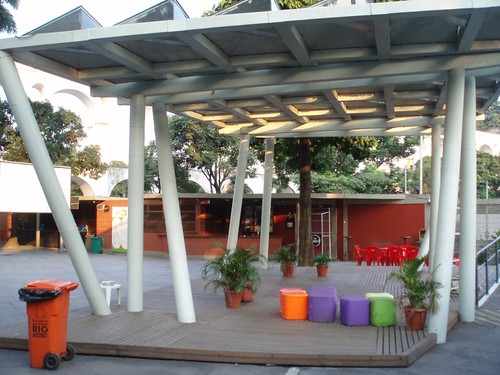
 Now run by the NGO with great financial help of municipal government, modern Circo Voador is transformed into club for culture with commercial programs, mainly samba, hip-hop and rock concerts, supported by companies like TIM (mobile phone operator popular among young people), Pepsi and such.
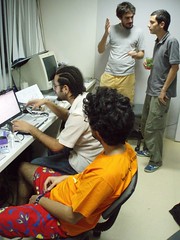
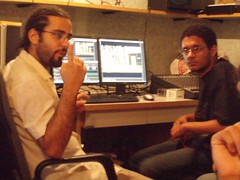 easy-to-use hardware and software. It’s intended for artists, designers, hobbyists, and anyone interested in creating interactive objects or environments. DIY videomixer can be used for mixing live inputs such as cameras, but also to control various software such as Pure Data for VJing and so on.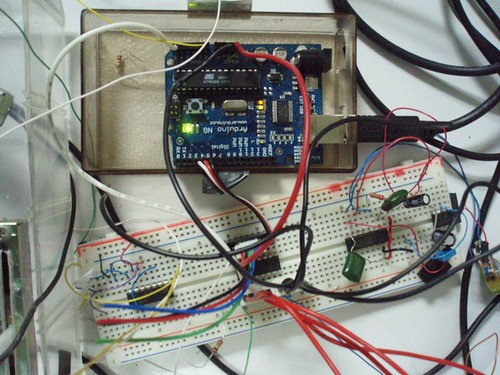

 Kruno Jošt (CRO) presented sonic live session at

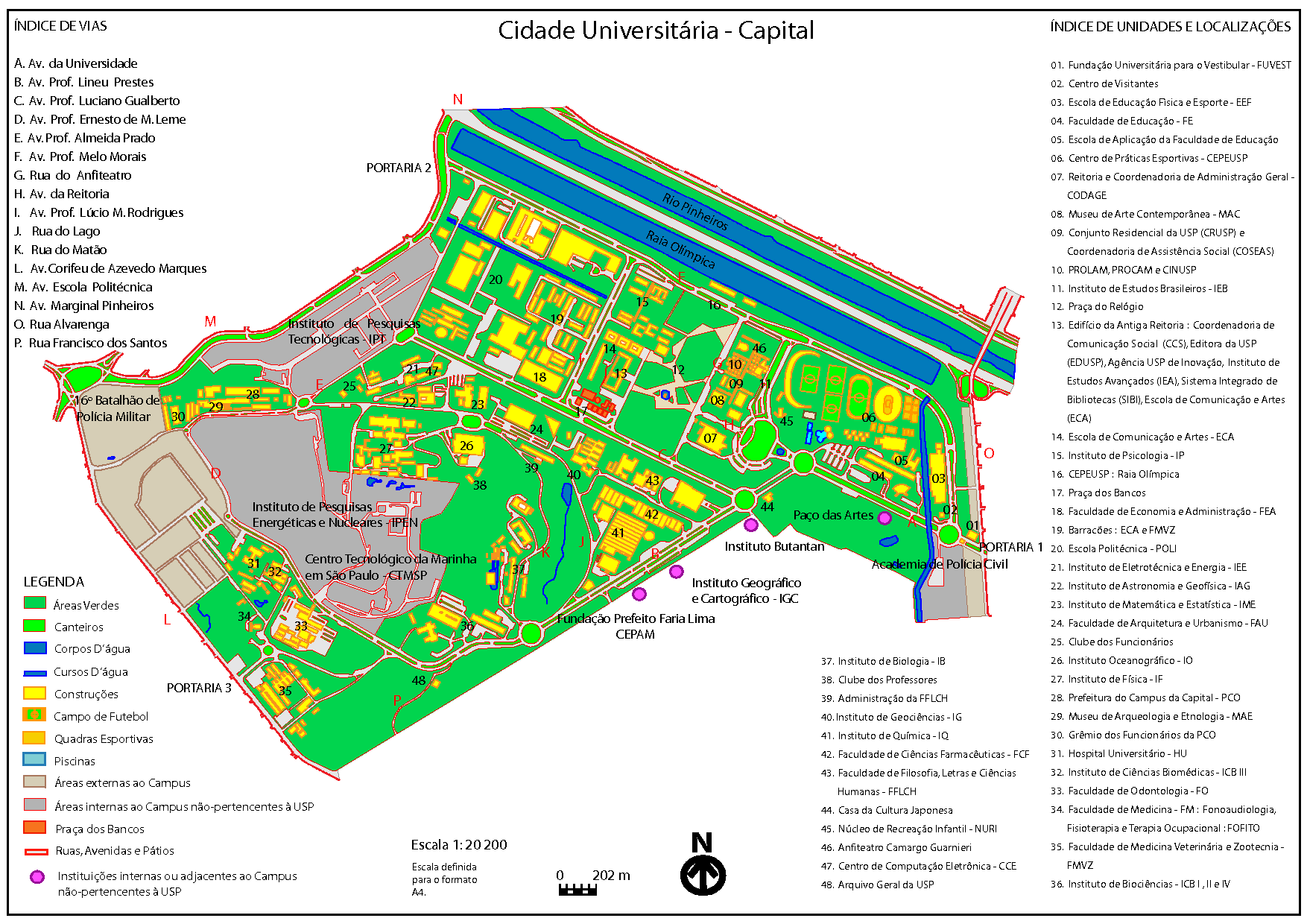
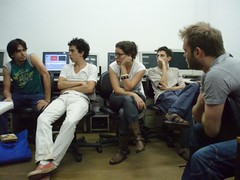 I was invited to give a lecture on artistic production in GentleJunk collective and to talk about art and culture in general at Escola de Comunica̤̣o e Artes РECA (School for Communication and Arts) on Friday 25th of April. As students were mainly from department of sculpturing, their professor and my host, Mario Ramiro invited me to present Circuit Bending as a way of handling electronic devices as objects. Discussion and lecture went on to many different questions including free culture, free media and ways of artistic production today.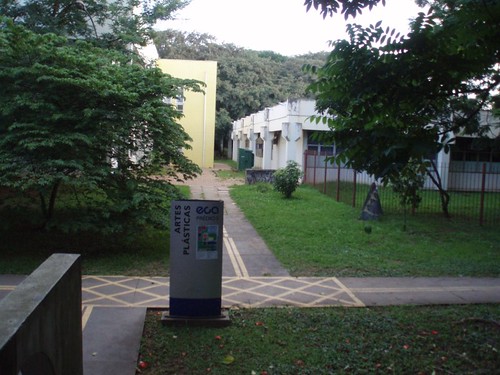
 City of Sao Pulo recently introduced the law of ‘visual pollution’ banning billboards from the streets. It was discussed that every billboard can distract driver for 15 meters, causing great risks in traffic.
 by Kruno Jost and Giuliano Obici.
 Many thanks to all participants an special tenks to Giuliano Obici and Alexandre Freire that made this workshop possible.